What Becomes of Second Chances?
Does erring toward leniency for first-time criminals amount to wisdom or wishful thinking?


Does erring toward leniency for first-time criminals amount to wisdom or wishful thinking?

There is now a large body of empirical work that calls into question the traditional legal assumptions about how law shapes behavior.

How can we design laws in ways that don’t invite unethical behavior from ordinary people?
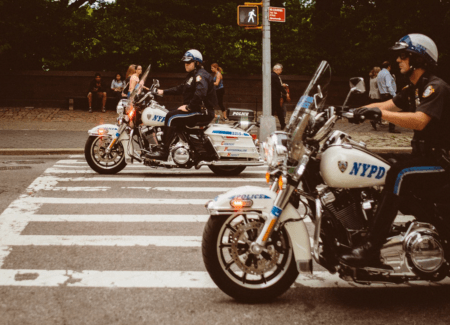
The current system of court summons strains everyone involved. There’s another way to approach the problem.

I was much influenced by a brilliant, pathbreaking paper, “Picking and Choosing,” by Edna Ullmann-Margalit and Sidney Morgenbesser.

Data from research I recently conducted with Bette Bottoms and Phillip Goff, published in Law and Human Behavior, suggest that the psychological experience of such police encounters is very different for Black as compared to White citizens.

Become a Subscriber — Special offer: Receive a copy of the award-winning print edition, Brain Meets World, or a Behavioral Scientist t-shirt or hat when you join at the Print + Digital + Events or Investor level.