Americans Are Overworked. Could AI Change That?
AI promises to help us get more done in less time. It’s an opportunity to reverse the trend of American overwork, but powerful structural factors stand in the way.


AI promises to help us get more done in less time. It’s an opportunity to reverse the trend of American overwork, but powerful structural factors stand in the way.
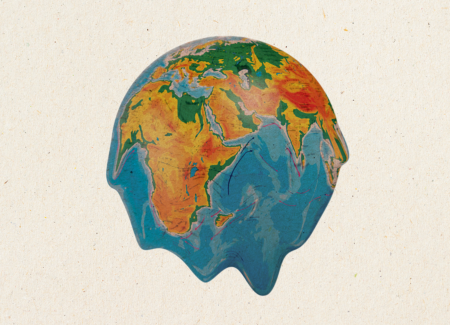
The barriers to solving climate change seem to be getting higher, and the need for breakthroughs feels more urgent than ever. What are the most pressing ideas on the minds of social and behavioral scientists?
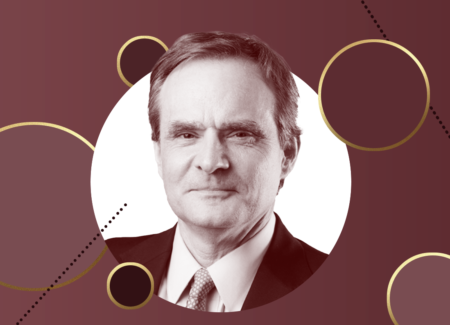
We speak with Nobel Prize winner Simon Johnson about the relationship between technological progress and prosperity, including how societies have made these choices in the past and what our decisions about the current wave of AI could mean for our future.

The living wage calculator makes no provision for eating in a restaurant, repaying loans, saving for retirement, or taking a vacation. What does go into calculating a living wage? And does the term “living” allow companies to pay people inadequately while appearing generous?

In this award-winning, longform feature, Greg Rosalsky, an economics reporter and avid backcountry snowboarder, dives into the decades-long quest to overcome “the human factor” in avalanche deaths.
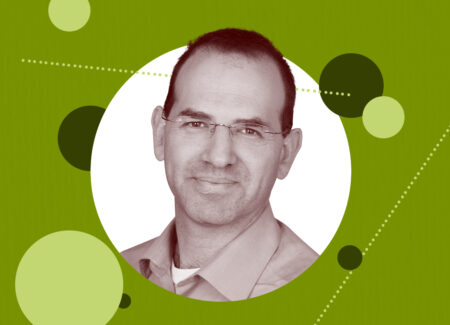
In their book, Streets of Gold, Ran Abramitzky and Leah Boustan use big data to trace the stories of immigrants to the United States. Their findings are a call to revise many popular beliefs about U.S. immigration.
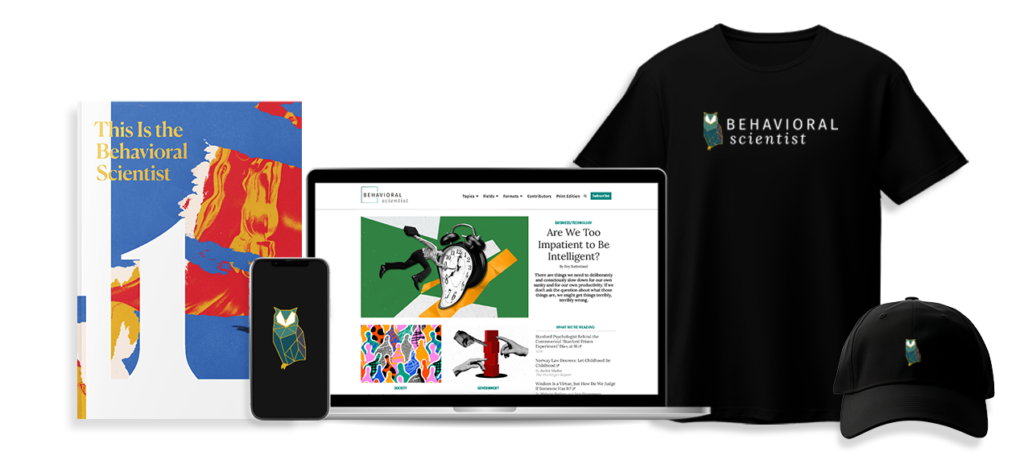
Become a Subscriber — Special offer: Receive a copy of the award-winning print edition, Brain Meets World, or a Behavioral Scientist t-shirt or hat when you join at the Print + Digital + Events or Investor level.