The Everyday Supercommunicators Who Get Groups in Sync
Conversations that flow often have a person at the center who speaks less, asks more questions, and isn’t afraid to admit their own confusion.
In this award-winning personal essay, sociologist Allison Daminger reflects on how her research on the division of household “cognitive labor” influences the decisions she makes in her own relationship.
To capture human emotion in all its richness, we have to broaden where and how we study it.
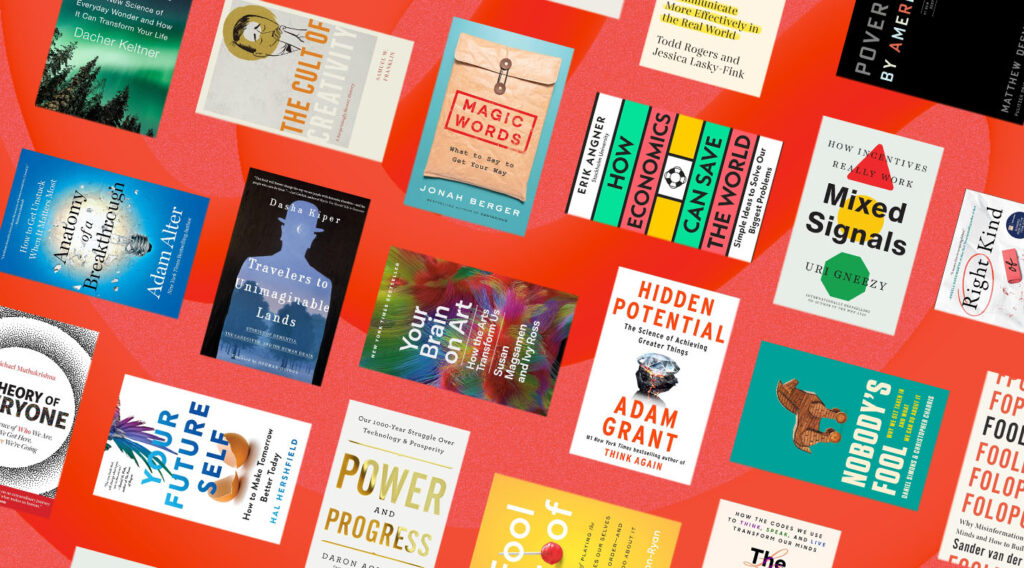
Our list of noteworthy behavioral science books published in 2023.
Don’t ask to pick someone’s brain. You’ll get better results from inviting them to retrace their route instead.
I don’t doubt that my failure to find support for the simple research hypothesis that guided my first study was the best thing that ever happened to my research career. Of course, it didn’t feel that way in the moment.
The possibility grid is a universal tool to draw attention to what is absent. It alerts you to think about rates of success rather than stories of successes.
How taking the perspective of a friend you disagree with could help you make better estimates.
We should have greater confidence than before that findings we read about in journals will replicate. What’s good about this is evident. But do we pay a price for increased rigor?
Awe, as in the chill-up-the-spine you might find in a poem, symphony, mountaintop, spiritual experience, or selfless act. In clever and imaginative ways, Keltner has researched what awe is and how it moves us.